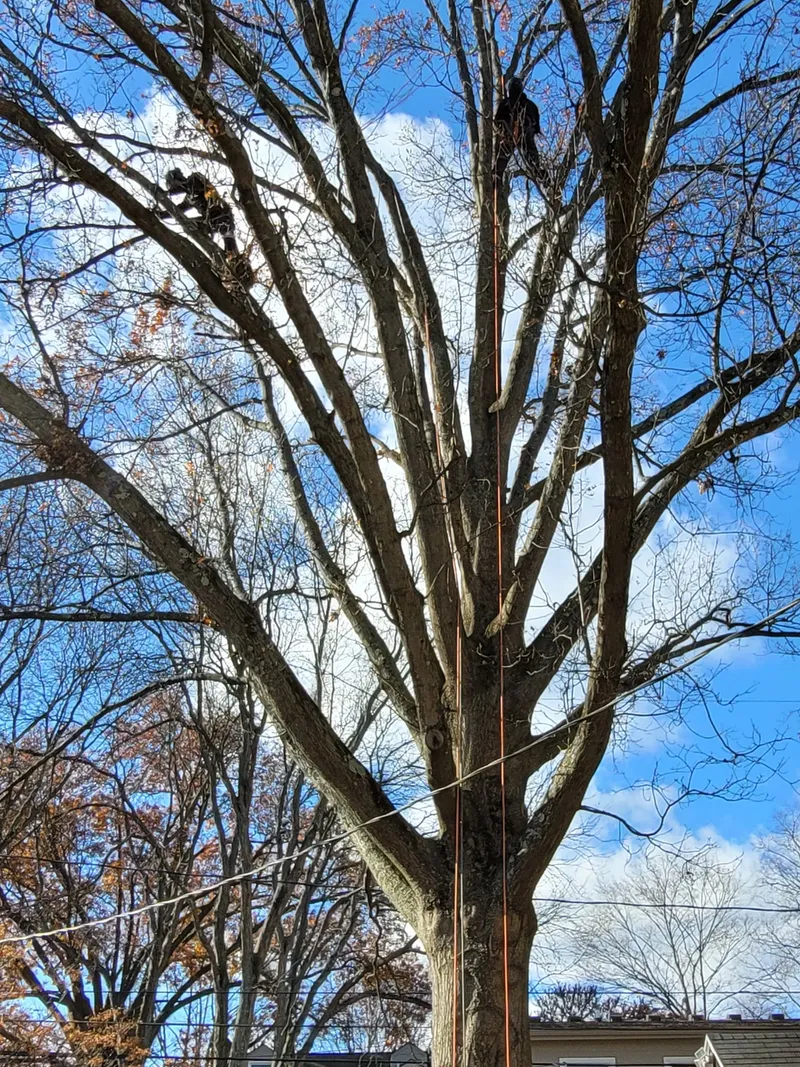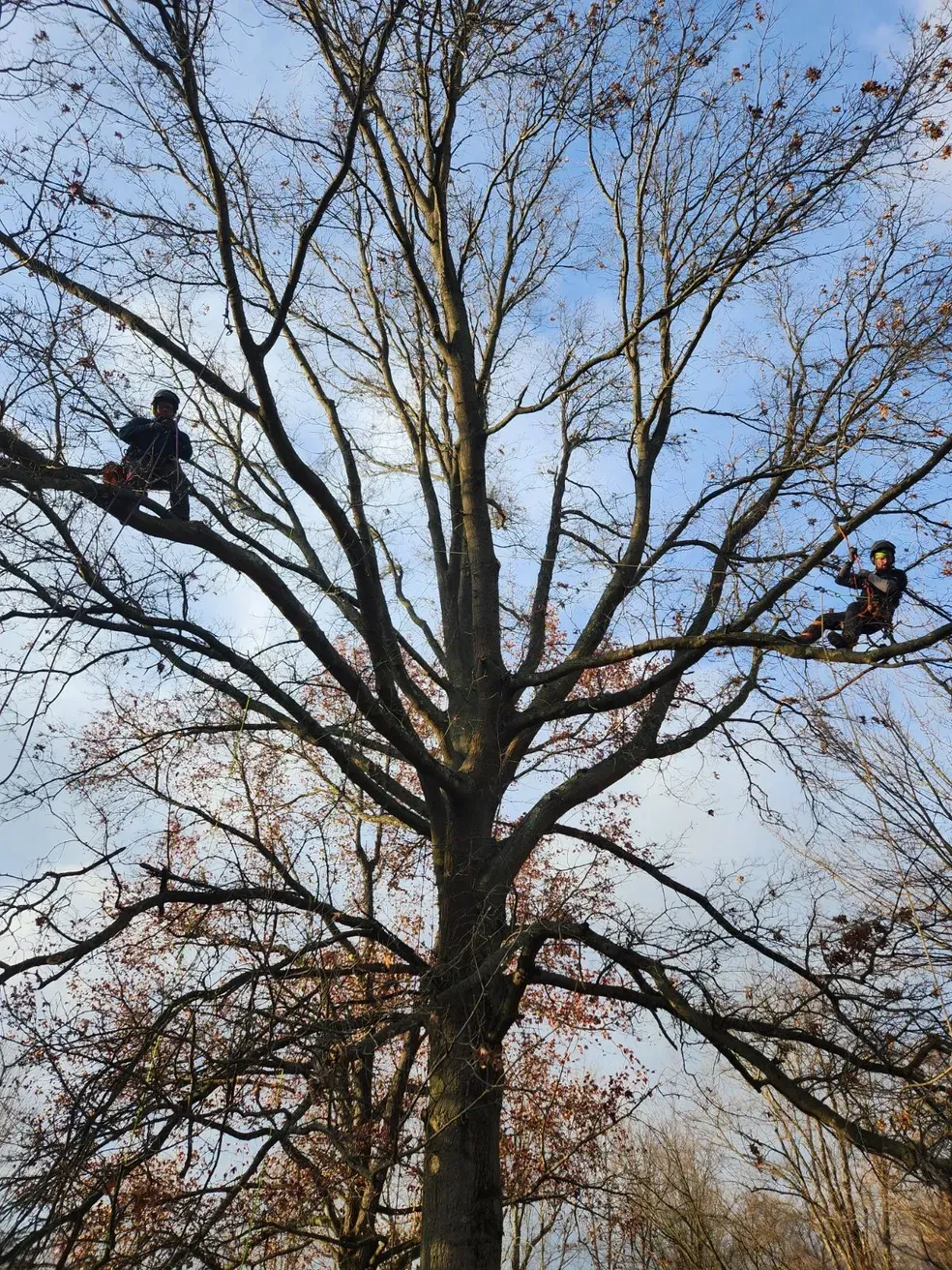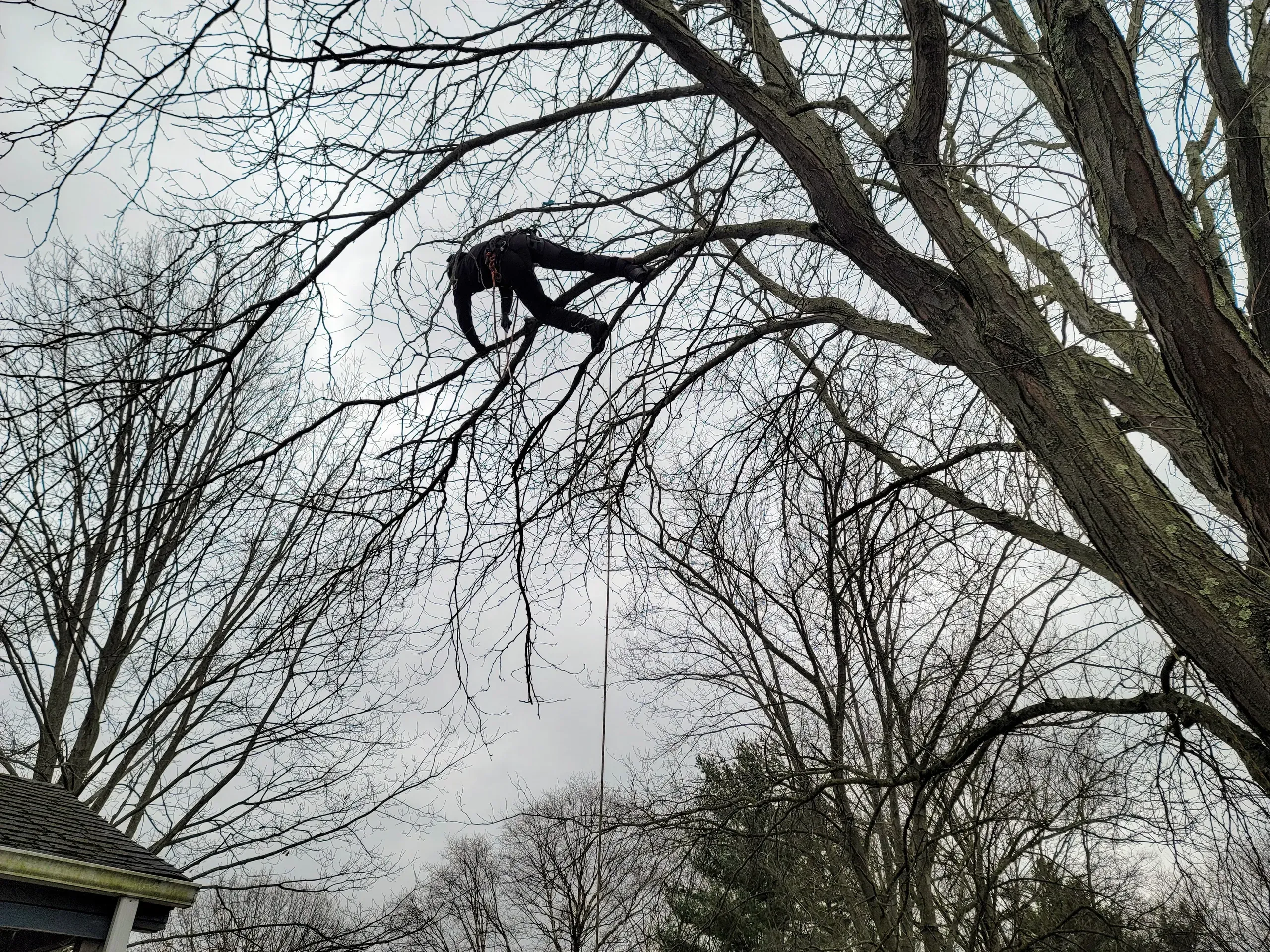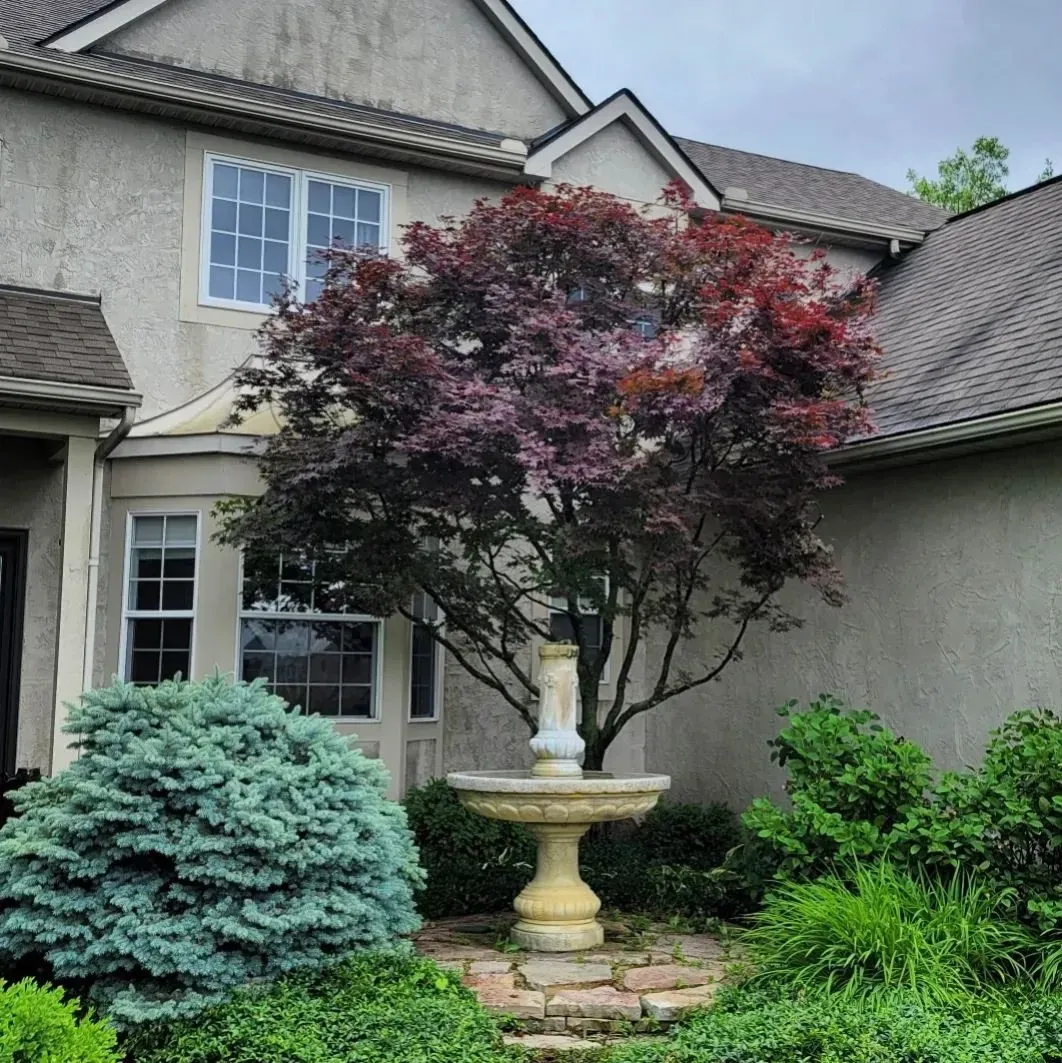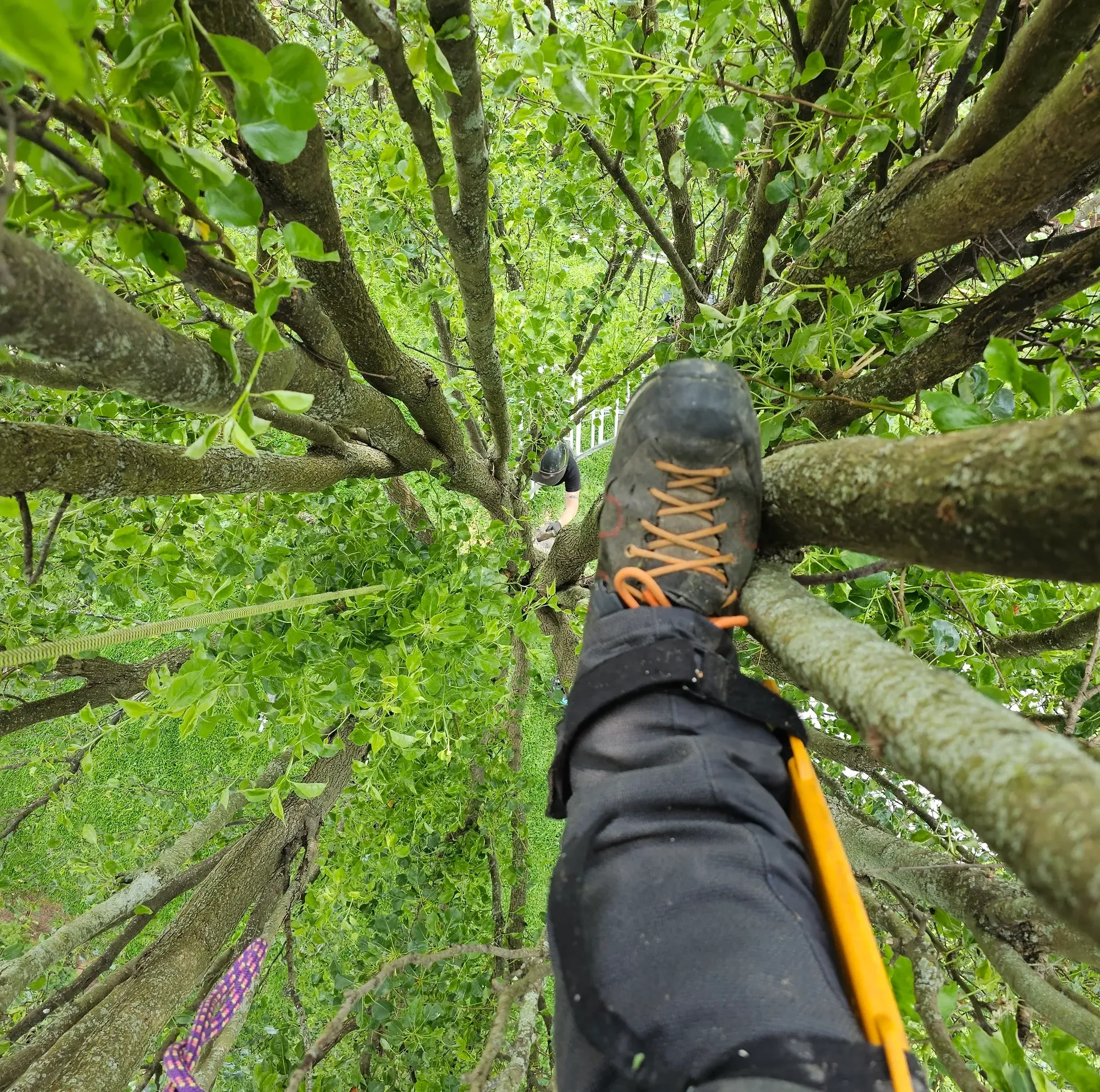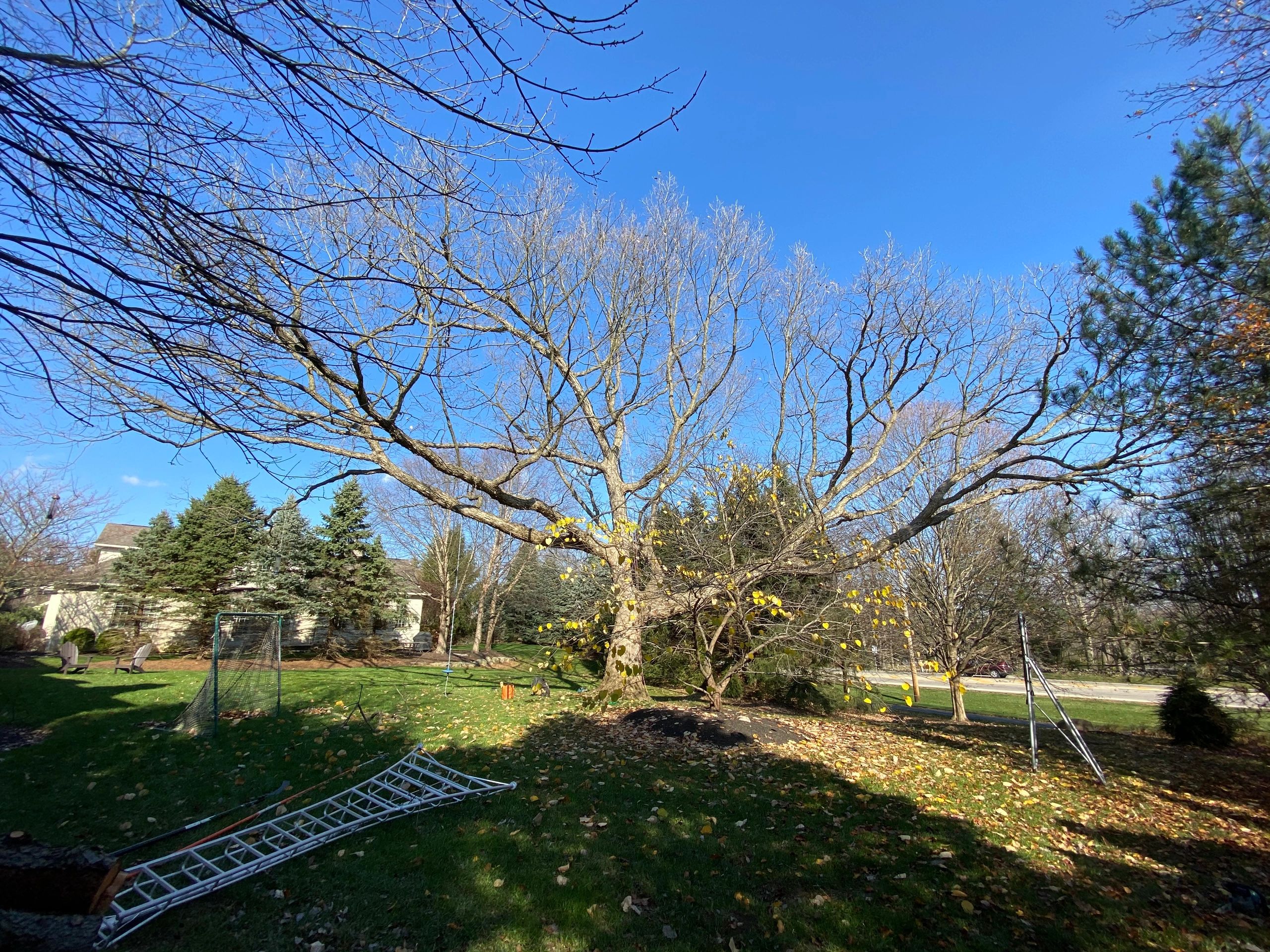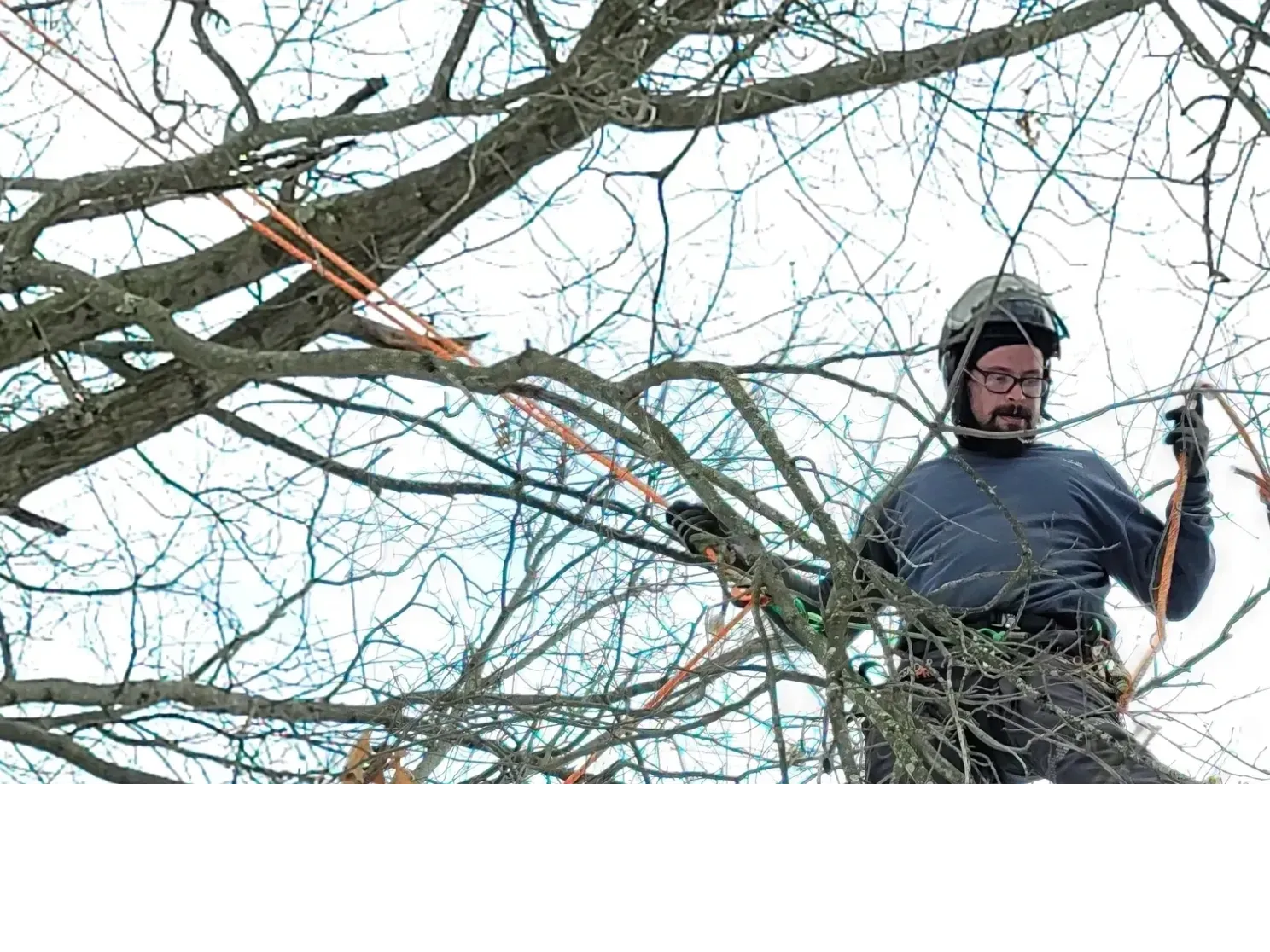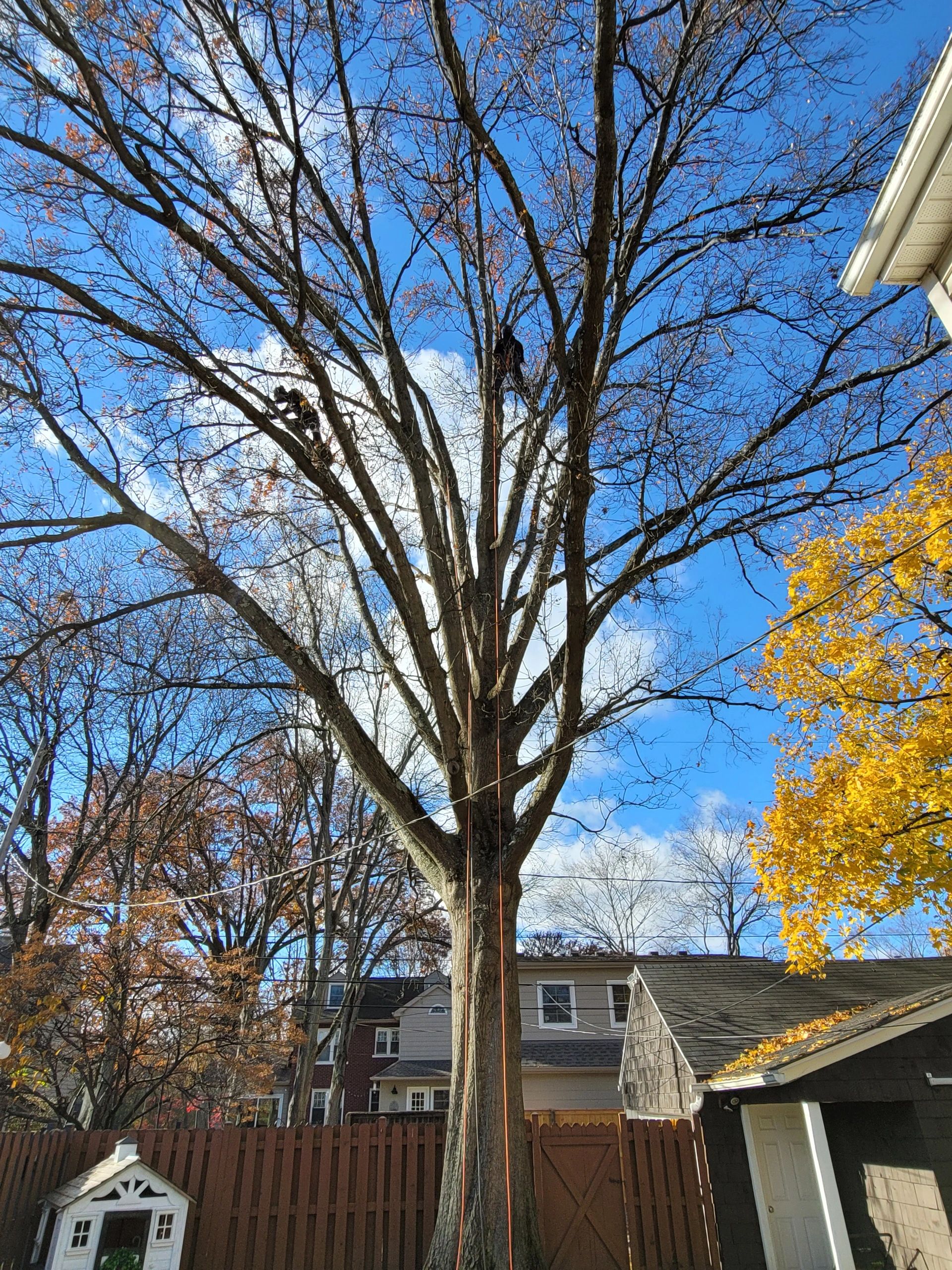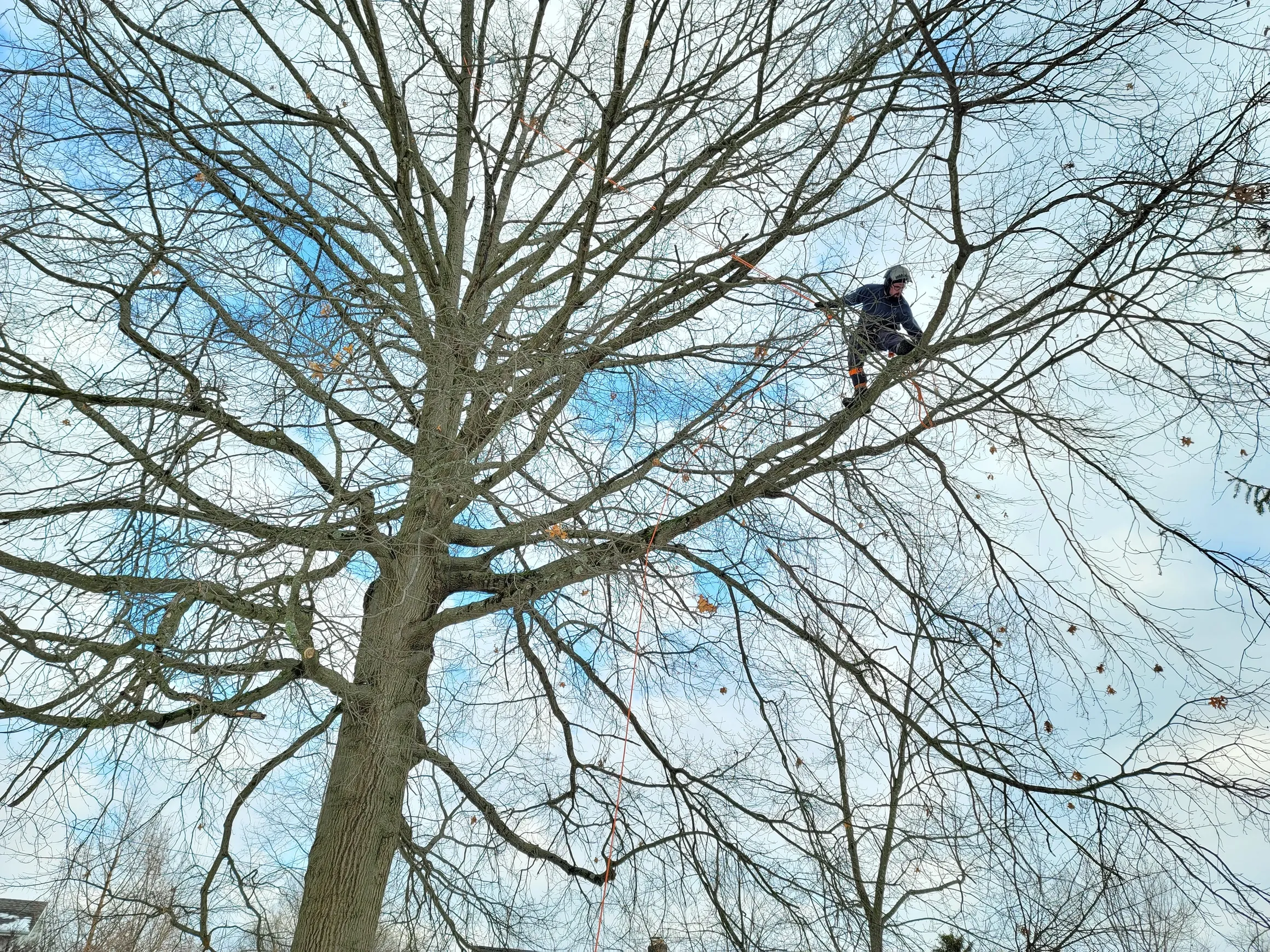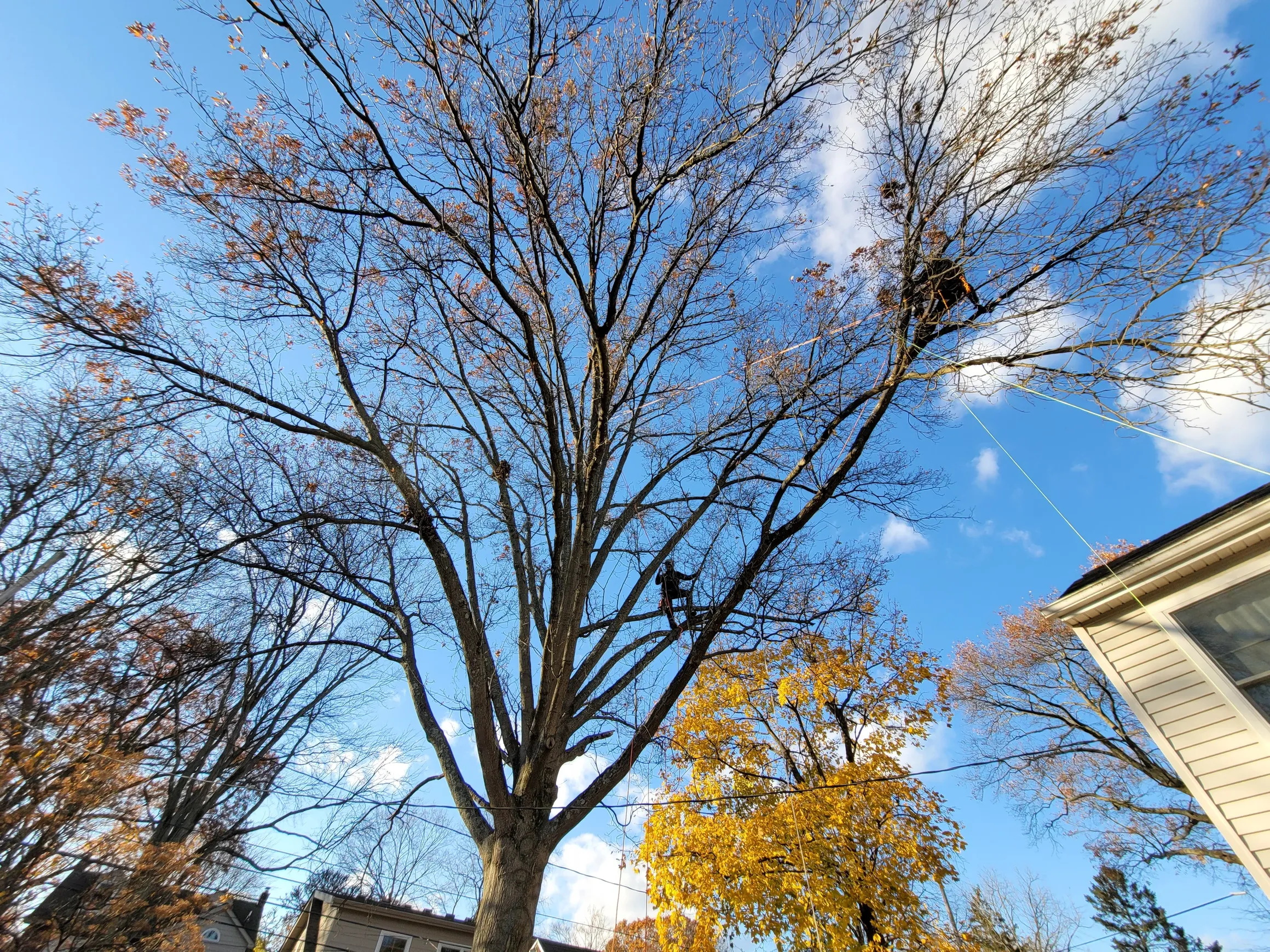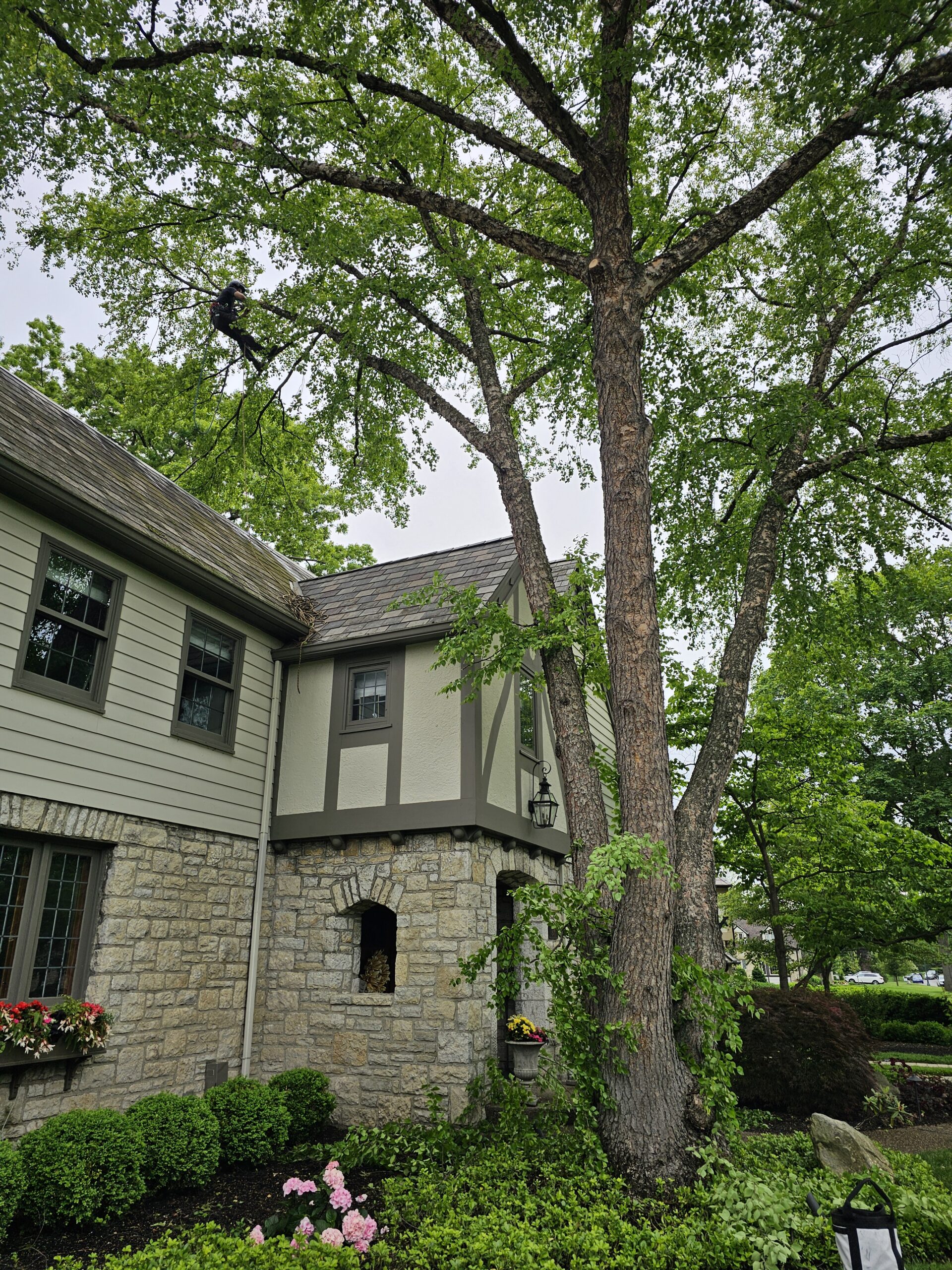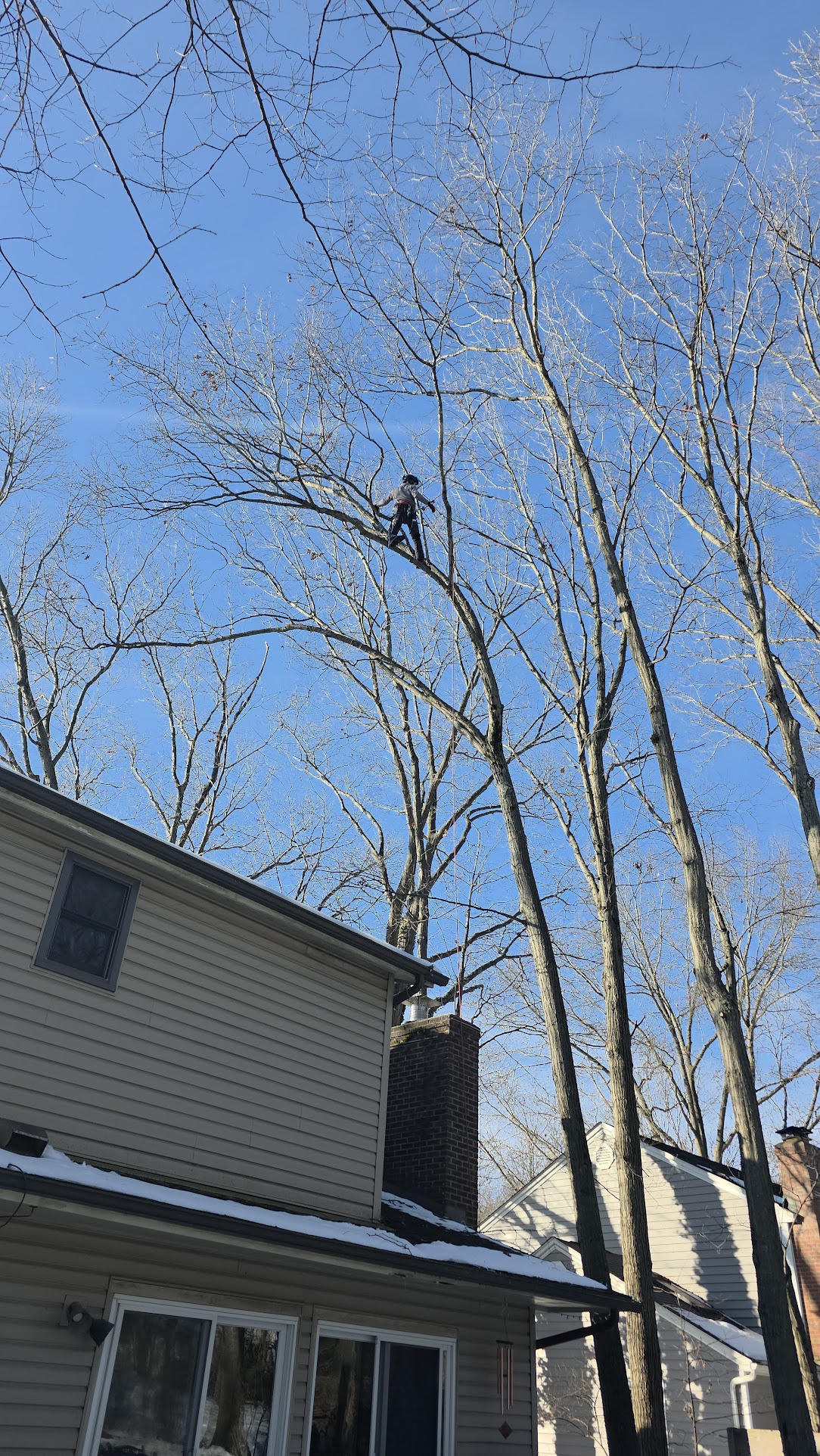
Professional pruning starts with understanding the tree — its species, structure, age, and what you are trying to achieve. Every cut has a consequence. Our ISA Certified Arborists assess each tree before removing a single branch. We follow ANSI A300 pruning standards on every job.
What We Do During a Tree Trimming Service
- Crown thinning: Selectively removing interior branches to improve light penetration and air circulation without changing the overall shape. Reduces wind resistance and stress on branch unions.
- Crown raising: Removing lower limbs to provide clearance for structures, vehicles, sightlines, and foot traffic. Done in stages on mature trees to avoid over-stressing the root system.
- Crown reduction: Reducing overall tree size while maintaining natural form. Done correctly when a tree has outgrown its space or when risk reduction is needed. This is not topping.
- Deadwood removal: Removing dead, dying, or hazardous branches to reduce risk and prevent disease spread. Standard on every pruning visit.
- Structural pruning: Guiding branch development in younger trees to establish a strong, lasting framework. The most cost-effective pruning investment you can make — structural corrections at age 5 prevent expensive problems at age 30.
- Hazard pruning: Targeted removal of branches that pose an identified risk to structures, utilities, or people.
Tree Pruning vs Tree Trimming: What Is the Difference?
The terms are often used interchangeably, but there is a meaningful distinction. Trimming typically refers to aesthetic shaping and clearance work. Pruning refers to targeted removal for the health, structure, and risk profile of the tree — following ISA and ANSI A300 standards. We do both, but we approach every job as pruning first: what does this tree actually need?
How Often Should You Prune Trees?
It depends on the tree species, age, and objectives. General guidelines for Central Ohio:
- Young trees (first 10 years): Structural pruning every 2 to 3 years to establish good branch structure early
- Established shade trees: Maintenance pruning every 3 to 5 years is typical for most oaks, maples, and ashes in good condition
- Ornamental trees: Often benefit from annual light pruning for flowering performance and form
- Trees near structures or utilities: More frequent clearance pruning as needed
The best pruning schedule is one based on walking your trees with an arborist and identifying what each tree actually needs — not a blanket calendar schedule.
What We Do Not Do
We do not top trees. Tree topping — removing large portions of the crown by cutting branches back to stubs — causes severe, long-lasting damage: decay at wound sites, weakly attached regrowth, and structural failure over time. It is not a standard pruning practice and is not something any certified arborist should recommend. If you have been told your trees need to be topped, we are happy to provide a second opinion.
Tree Trimming Throughout Columbus and Central Ohio
We provide tree trimming and pruning throughout Columbus, Dublin, Worthington, Westerville, Upper Arlington, New Albany, Granville, and Grandview Heights. Most residential pruning jobs in Columbus are completed in a half-day to full day with a crew of three to four.
Curious about how much tree trimming costs in Columbus? We break down realistic pricing ranges for all services.